


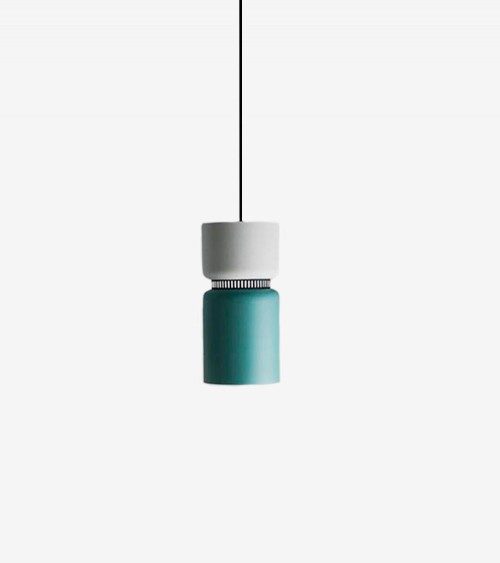
Design lighting
Discover our design lighting collection for floor, pendant, table, wall and outdoor use, signed by recognized designers such as Antonio Citterio or Michael Anastassiades. Every product page includes color temperature, wattage and IP rating so you can choose with confidence.
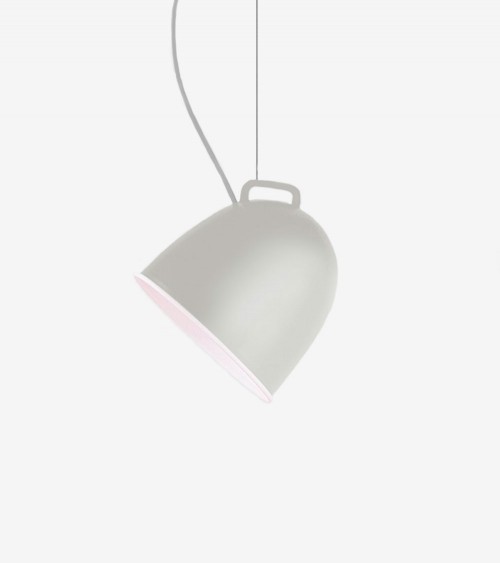

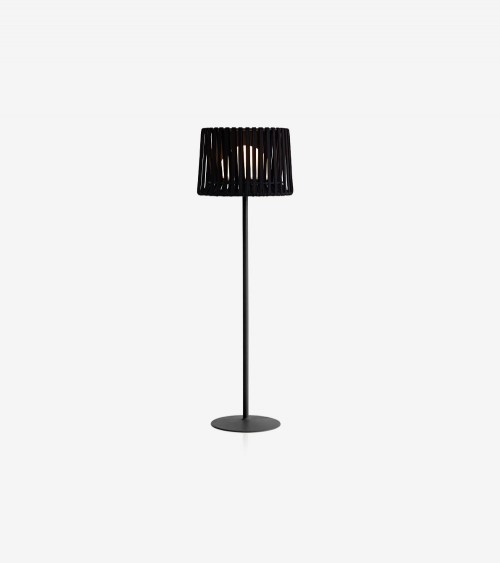
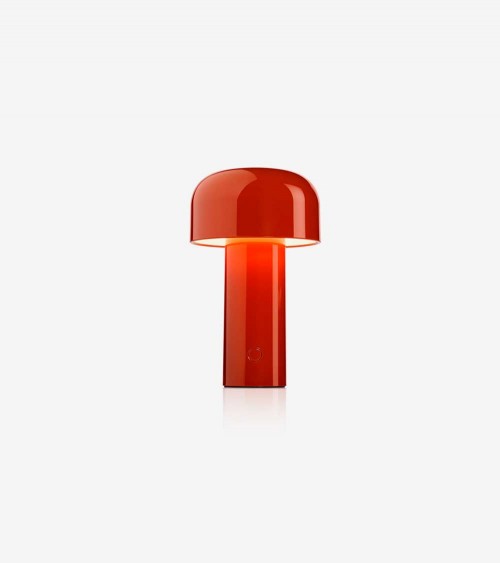


Más información sobre Design lighting
Discover our design lighting collection for floor, pendant, table, wall and outdoor use. We work with recognized brands so every piece combines real functionality with verifiable design, not just looks.
Design lighting combines light function and decorative value in a single piece: it doesn't just illuminate, it defines the character of the space where it sits. It stands apart from a regular lamp through the materials used, design authorship (many pieces carry the signature of a recognized designer), and attention to finish.
By type of use, there are floor, pendant, table, wall and outdoor lamps, each with different requirements for brightness, color temperature and, for outdoor pieces, weather resistance. We cover each with technical criteria below.
Color temperature, measured in Kelvin (K), determines whether light reads as warm or cool, and it's one of the factors that most shapes the mood of a room:
| Kelvin range | Light type | Recommended for |
|---|---|---|
| 2700K - 3000K | Warm | Living room, bedroom, relaxation areas |
| 3500K - 4000K | Neutral | Dining room, kitchen, light work areas |
| 5000K or higher | Cool | Home office, intensive reading areas |
As a reference from our interior design team: mixing different temperatures in the same space (for example, warm table lamp light next to cool ceiling light) tends to break visual coherence — it's best to keep a consistent temperature per room, unless you're deliberately going for a contrast effect.
Floor lamps work as indirect, ambient light pieces, ideal next to a sofa or a design armchair for a reading corner, or in the bedroom next to the bed or wardrobe for a more intimate setting.
Pendant lamps bring direct, focused light: over a dining table they create a distinguished atmosphere, and over a kitchen island or bar, a functional, modern space.
Table lamps work well on a nightstand, a console, or a dressing table, with softer light and more decorative character.
Wall lamps create indirect points of light without taking up surface space — sconces (fixed, single-source) are the most common, while swing-arm lamps (adjustable) offer more flexibility if you need to direct light at a specific point.
And outdoor lamps are built to withstand moisture and temperature swings on terraces or in gardens.
The IP (Ingress Protection) rating indicates a fixture's resistance to dust and water, and it's the most important technical spec when choosing outdoor lighting. For covered areas (porches, roofed terraces), IP44 is usually enough, as it protects against splashing water. For areas fully exposed to rain (garden, uncovered balcony), at least IP65 is recommended, which guarantees full protection against dust and water jets from any direction. Always check the IP rating listed on each product page before installing it outdoors — putting an indoor lamp outside, even if it looks sturdy, can damage the electrical component with the first rainfall.
Before choosing your lamps, it's worth assessing how much natural light the space gets: the position and size of the windows determine whether you need a general lighting system (covering the whole room evenly, common in spaces with little natural light) or whether task lighting is enough (focused points over specific-use areas — reading, cooking, working — in rooms that already get good daylight). Combining both usually gives the best result: a low-intensity general base plus task lighting for the areas of heaviest use.
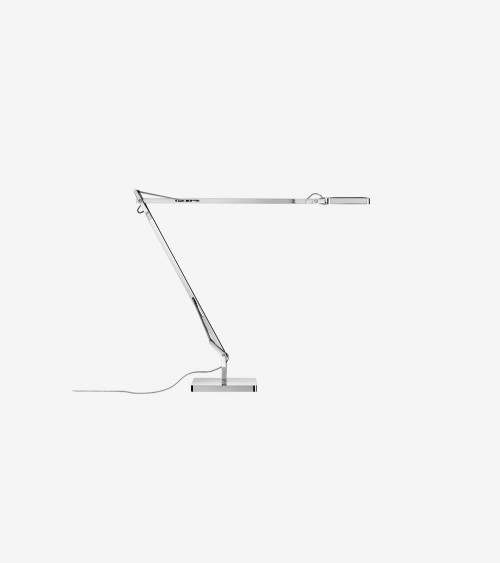
Much of our lighting range carries the signature of a recognized designer, which you can check on each product page. For example, the Kelvin lamp is signed by Antonio Citterio with Toan Nguyen, and the IC Lights series — blown glass spheres on a metal frame — is the work of Michael Anastassiades for Flos, one of his most recognized pieces internationally since its launch.
Buying a signed piece isn't just about aesthetics: it usually means more careful manufacturing processes and a longer lifespan than generic, unattributed lighting.
At Exento we work with brands such as Blux, Expormim, Flos and Vp Interiorismo. Every product page includes color temperature, wattage and IP rating where relevant, so your decision relies on verifiable technical data rather than generic photos.
What color temperature is best for the living room?
Between 2700K and 3000K, warm light that supports a relaxed mood. Temperatures above 4000K tend to feel too cold for a rest space.
Can I use an IP44 lamp in an uncovered garden?
Not recommended: IP44 protects against splashing water but not against sustained direct rain. For uncovered outdoor areas, IP65 or higher is preferable.
How many lumens do I need to light a room?
As a general reference, around 150-200 lumens per square meter for ambient living room or bedroom lighting, and somewhat more (300-400) for work or reading areas.
Is it worth paying more for a signed designer lamp?
It depends on the use: for a central, long-lasting piece, it's usually justified by material quality and finish. For secondary or transitional lighting, a generic option can be enough.